In brief
- The estrobolome consists of gut bacterial genes that influence hormonal regulation through enzymes.
- Higher microbial diversity correlates with enhanced balance and reduced markers of systemic inflammation.
- In conditions like endometriosis, research reveals altered enzymatic activity in the bowel.
- Dietary strategies provide valuable adjuvant support, but they do not replace clinical care.
Gut and Hormones: What Role Does the Microbiome Play?
When thinking about estrogen, many women look only to their glands. Yet your gut talks back. You might feel worn out, your belly might ache, or your daily energy suddenly drops without warning. Many know this feeling. Trillions of tiny microbes inside your digestive tract talk directly to your body day and night. Science is taking note.
These tiny gut helpers build a lively inner world. They break down meals, train immune cells, and send chemical signals to distant tissues across the body. This keeps you safe. Broad clinical reviews show that having many different gut species protects against chronic inflammation. When friendly microbes dwindle, internal balance falters. Diversity matters for vitality.1
The Estrobolome and the Regulation of Estrogen
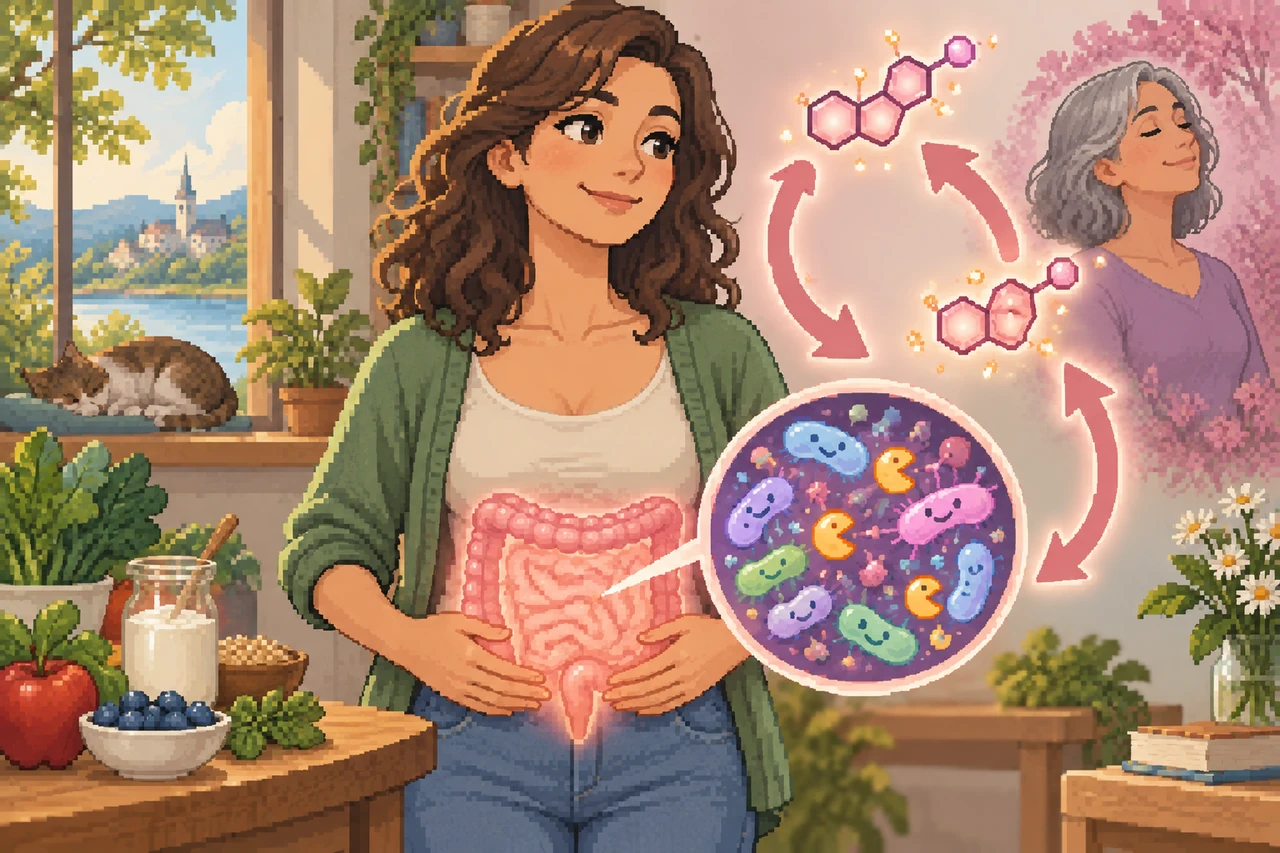
The estrobolome refers to specific bacterial genes living within your gut. They make a key enzyme. Its name is beta-glucuronidase. Your liver packages used hormones with acids and dumps them into the gut via bile fluid. This bacterial enzyme breaks those chemical bonds apart again. Through this loop, microbes determine how much active estrogen re-enters the blood. It is a smart gate.1
Problems arise when this recycling system loses its rhythm. If bacterial enzymes work too fast, excessive amounts of unbound messengers re-enter the bloodstream. If they slow down, valuable compounds leave the body unused through stool. Both states create trouble. Researchers now study these digestive pathways closely because your gut serves as a sensitive hormonal valve. Balance is everything here.2
Menopause and the Bacterial Balance
During menopause, natural levels of estrogen decline in a gradual process. This transition reshapes your physiology. Ovaries slow their output. Recent reviews bring welcome news, showing that a diverse gut community helps buffer these sweeping bodily changes. Women with rich microbial diversity often maintain steady vitality throughout midlife. Your gut offers comfort.
When species diversity falls, systemic inflammatory markers tend to rise. Scientists often note altered ratios between Firmicutes and Bacteroidetes phyla during midlife. This quiet irritation fuels discomfort. Eating a broad plant-based diet full of colorful fiber feeds these friendly microscopic allies every single day. Simple foods make a difference. Patience brings steady rewards.1
Endometriosis and Chronic Inflammatory Patterns
The gut microbiome also shapes reproductive health in younger years. In endometriosis, uterine-like tissue grows outside the womb and causes severe, recurring pelvic pain. Roughly one in ten women struggles with this chronic condition. Fertility challenges often follow. Systematic reviews link a disrupted estrobolome directly to this painful disorder, as certain microbes seem to foster chronic lesions. The burden weighs heavily.
Studies frequently show overactive beta-glucuronidase enzymes in affected women. Excess signals keep recycling. The active hormone estrogen may fuel this tissue growth over time. Nearby immune cells release inflammatory compounds that keep pelvic tissues tender, irritated, and inflamed. A harsh cycle takes hold. Gynecology now investigates gut health as an important co-factor in managing chronic pelvic distress. New answers are emerging.2
Limitations of Research and Open Questions
Current microbiome science is exciting, but it remains in an early stage. There is no single ideal gut flora that fits every woman. Every person is unique. Your genes, cultural diet, and local environment shape a microbial fingerprint unlike anyone else's. Probiotics cannot magically cure complex hormonal conditions, though they can offer mild day-to-day support. Beware of quick fixes online. Real science takes time.1
For conditions like endometriosis, systematic evidence rests on just 5 small studies. That data remains scarce. These findings show statistical associations rather than clear cause-and-effect mechanisms. Harsh gut cleanses and extreme fasting routines can damage your mucosal barrier rather than heal it. For severe pain, a thorough medical exam must always come first. Never skip proper doctor visits.2
What you can take away
Your gut and hormones collaborate as a united, responsive team. You can support this partnership by feeding your microbes varied vegetables, whole seeds, and diverse fiber. Nourish your inner allies. Notice how your digestion reacts to different foods and honor what brings you genuine daily comfort. Consistency beats extreme diets. Gentle habits go far.1
Modern research expands each year, offering deeper insight into long-term female wellness. Approach your body with kindness. Listen closely to your symptoms, and always partner with a trusted doctor for any painful concerns. Solid medical care remains essential.2
- Rich gut bacterial diversity supports steady hormonal balance across midlife.1
- The enzyme beta-glucuronidase regulates how many messengers return to the blood.2
- Low microbial diversity in midlife links closely to higher inflammation.1
- Endometriosis often involves dysregulated bacterial enzyme activity in the gut.2
- Nutrition provides gentle support, but severe pelvic symptoms require medical care.1
How this article was created
AI helps us with research and drafting. Before publication, a real responsible person reviews both language versions, every claim and the related sources.
This article provides general information and supports self-observation. It is not a substitute for medical advice, diagnosis or treatment.
Sources
- Diet, the Gut Microbiome, and Estrogen Physiology: A Review in Menopausal Health and Interventions.NutrientsAccessed 24 September 2026
Reported limitations
- No universally ideal gut microbial composition has been established across perimenopausal stages due to population-specific and geographic variations.
- Evidence for dietary and microbial interventions remains emerging and currently supports only an adjuvant rather than primary clinical role.
- Could the estrobolome have a role in endometriosis pathogenesis and infertility? A systematic review.BMC Women's HealthAccessed 24 September 2026
Reported limitations
- Only five studies met the inclusion criteria, underscoring the limited clinical evidence base.
- The available data indicate associative links rather than established causal relationships between microbial alterations and disease pathophysiology.