In brief
- Emotionally supportive mother-daughter communication is linked to higher menstrual readiness in Muslim girls.
- Islamic values do not require silence about periods. Faith-guided conversations can reduce stigma while respecting modesty.
- When modesty norms lead to complete silence, girls are more likely to feel unprepared at menarche.
- Warm, private moments and simple language help families start these talks without shame.
How Muslim families can talk about periods
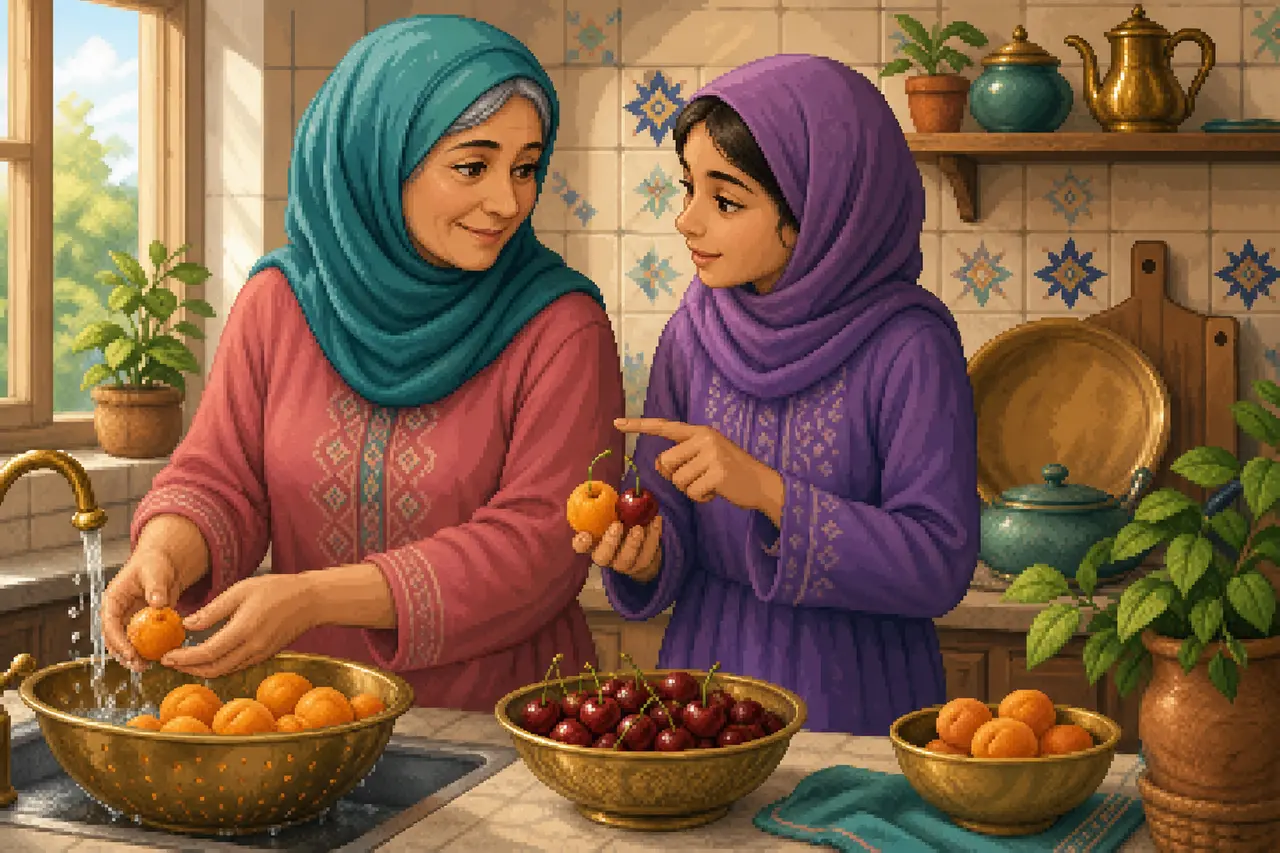
How can Muslim families discuss periods supportively? Many families hold modesty close to their hearts, and that matters deeply. But when modesty turns into total silence, girls can reach their first period without knowing what to expect. Research among Muslim adolescents found that emotionally supportive mother-daughter communication is linked to better menstrual readiness, while silence connected to strict modesty norms is linked to lower readiness. Islamic menstrual communication does not mean abandoning privacy. It means finding warm, private moments to share what girls need to know, guided by faith values like care, honesty and dignity. The goal is not to talk everywhere or to everyone. It is to make sure the girl closest to you feels safe enough to ask.1
Why silence around periods happens
In many Muslim-majority communities, modesty shapes how families talk about the body. This is not a flaw. It reflects deeply held beliefs about privacy and respect. But researchers found that when modesty norms become very strict, they can discourage any conversation about menstruation at all. Girls then learn to see their period as something hidden, even shameful. That silence often comes from cultural habits that grew around faith values over many generations.
Researchers included both a survey and in-depth conversations with girls about their experiences. They found that stronger modesty norms were linked to lower menstrual readiness. Girls who scored higher on modesty measures tended to know less about what happens during a period and how to manage it. The connection held even when other factors were taken into account. This pattern was consistent across the data.1
How supportive talk builds readiness
One hopeful finding stood out. When mothers talked with their daughters in an emotionally supportive way, readiness scores went up. Communication quality had a positive link to how prepared girls felt. This was the strongest pattern in the data, stronger than any other factor measured. Supportive talks did not need to be long or formal. They needed to feel safe, warm and honest. Even short conversations made a difference when they came from a place of care. Here is what that kind of talk can sound like in everyday life.1
- Listening without judgement when a girl asks a question about her body or her feelings.1
- Using calm, simple words instead of medical terms or vague phrases that might confuse her.1
- Sharing your own experience if it feels right, so she knows she is not the only one.1
- Letting her know clearly that having a period is a normal, healthy part of growing up.1
Islamic menstrual communication starts with values
Islamic menstrual communication does not ask families to set aside their faith. It asks them to bring faith into the conversation. When a mother explains periods with care and respect, the talk feels rooted in something meaningful. It no longer feels awkward or forbidden. Instead, it becomes an act of care that honours both the girl and the faith she belongs to.
Many mothers worry that talking about periods will somehow go against modesty. But the research shows the opposite. When mothers communicated in emotionally supportive ways, girls felt more prepared, not less. The talk did not need to happen in public or with many people. It happened at home, between people who care about each other, with full respect for privacy.
Data showed that communication quality partly explained the link between modesty norms and readiness. In other words, even when modesty was strong, warm mother-daughter talks helped reduce the gap in preparedness. Faith and openness are not opposites. They can work together when the conversation is private, respectful and guided by care. This finding matters because it shows that families do not have to choose between their values and their daughter's wellbeing.1
When silence becomes a barrier
For many girls, the first period arrives as a quiet, unspoken event. The study described this as a culturally shaped silent transition. Girls in the interviews shared that they felt confused, scared or alone when it happened. Some did not know what was happening to their bodies at all. The lack of clear information left many of them feeling unprepared.
Silence from strict modesty was linked to lower readiness in the data. The indirect effect through reduced communication was statistically meaningful. This does not mean modesty is harmful. It means that when modesty leads to no conversation at all, girls pay the price in confusion and worry. A small amount of private, caring talk can make a real difference in how a girl experiences her first period. Even one conversation can help her feel less alone.1
Everyday ways to start the conversation
You do not need a special occasion or a perfect script to start. What matters most is that the girl in your life hears about periods before they arrive, in a setting that feels private and calm. Starting Islamic menstrual communication can be as simple as one honest sentence. The conversation does not have to cover everything at once. Beginning small is enough.
Ways to begin
- Choose a quiet moment at home when you are alone together, such as after a meal or during a relaxed walk.
- Start with a gentle question, like asking whether she has heard anything about periods from friends or at school.
- Share one clear fact, such as explaining that periods are a normal body change that usually begins in the pre-teen years.
- Let her know she can come to you with any question, now or later, without feeling ashamed or embarrassed.
- Keep the door open by checking in gently every few months as she grows and her body changes.
What does Islamic menstrual communication mean?
- Islamic menstrual communication
- This means talking about periods in a way that respects Islamic values of modesty, honesty and care. It is not about sharing private details with everyone. It is about making sure girls get the information and emotional support they need from someone they trust, within a faith-guided setting.
- Menstrual readiness
- This describes how prepared a girl feels, both in what she knows and in how she feels emotionally, before her first period arrives. It includes knowing what a period is, what to expect physically, how to manage it practically and having someone she can turn to with questions or worries.
- Emotionally supportive communication
- This is a way of talking that makes the other person feel heard, safe and not judged. It involves listening carefully, using gentle words and showing that their feelings matter. In the context of periods, it means a mother or caregiver creating space for honest, open questions.
Closing and sources
Talking about periods within your family does not require perfection. It requires presence. A warm, private conversation guided by your values can help a girl feel ready, respected and less alone. That is what Islamic menstrual communication is about.
This article draws on peer-reviewed research published in Frontiers in Reproductive Health. Full study details are available through the linked source list.1
How this article was created
AI helps us with research and drafting. Before publication, a real responsible person reviews both language versions, every claim and the related sources.
This article provides general information and supports self-observation. It is not a substitute for medical advice, diagnosis or treatment.
Sources
- Menarche as a silent transition: islamic modesty norms, mother-daughter communication, and menstrual readiness among rural Indonesian adolescents.Frontiers in Reproductive HealthAccessed 27 August 2026