In brief
- A systematic synthesis of 29 studies illustrates major healthcare barriers for adolescents with endometriosis.
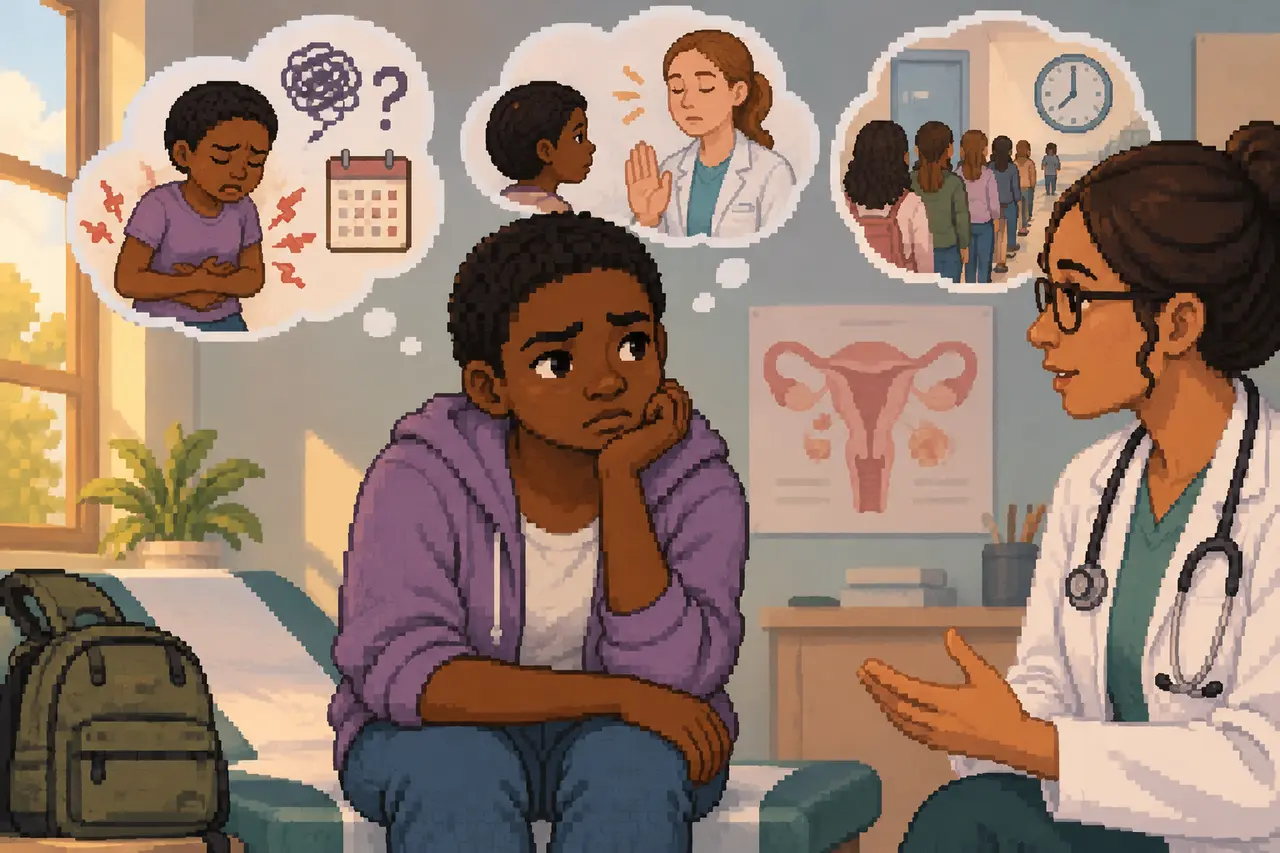
- Struggles with recognizing abnormal menstrual pain and fear of dismissal frequently delay initial help-seeking.
- Healthcare encounters are often poorly tailored to youth, resulting in the institutional invalidation of pain.
- Young patients need empathetic validation, accessible educational resources, and supportive clinical partnerships.
Delayed Diagnosis: Why the Path to Endometriosis Takes So Long
You curl up with a heating pad again. The pain is severe. It drains your energy. Every month, these intense cramps return with exhausting severity, while friends and relatives assure you that such discomfort is completely normal. At this point, a long journey of doubt begins. Many young people wonder why the endometriosis diagnosis delay is so frustratingly long in daily reality. This uncertainty hurts. Nobody should face severe pain for years without clear answers.
A new systematic review offers valuable insights into these patient journeys. Researchers examined 29 studies with adolescents and young adults. The participants were between 10 and 24 years old. The main goal was to understand hurdles during early medical visits. The findings are clear. Delays do not happen because young people ignore their health. Instead, patients face social taboos, lack of information, and rigid institutional barriers.1
Difficult Classification: What Counts as Normal Menstruation?
For many young people, reading bodily signals is very hard. What is normal pain? What is an illness? Youth often lack clear benchmarks from family or health classes to judge their symptoms. Debilitating cramps are often described as an inevitable part of growing up. Many sufferers accept this view. Consequently, young people endure severe pain for years before seeking clinical advice.
Another obstacle is the fear of dismissal. Will doctors listen? Adolescents worry that clinicians or relatives will call them dramatic or overly sensitive. This fear stalls action. Because of this anticipated invalidation, many put off booking a gynecological visit for months. Shame and doubt outweigh the desire for answers.1
Factors That Shape Endometriosis Diagnosis Delay in Healthcare
When young people finally seek care, clinical spaces feel unwelcoming. Time is short. Complex medical terminology and hurried consultations easily confuse teens who are speaking about their intimate physical experiences for the very first time. Clinics often lack a safe space for open questions. These barriers directly worsen the endometriosis diagnosis delay in outpatient care. Key symptoms remain unshared.
A major problem is the institutional invalidation of pain. This happens all too often. Clinicians regularly dismiss severe symptoms as ordinary menstrual cramps. Claims that patients will outgrow the pain damage trust in their own bodies. Diagnostic checks are delayed for years. Patients often receive basic painkillers instead of a thorough search for root causes.1
The Impact of Invalidation and the Need for Recognition
A prolonged endometriosis diagnosis delay brings severe consequences for a young life. Many individuals lose confidence. They miss school, struggle with vocational training, or withdraw from friends. The burden is immense. Ongoing dismissal fosters anxiety and depressive moods during key developmental years. Thus, an untreated physical condition turns into an overwhelming psychosocial crisis.
The review highlights what young patients truly need. They want active listening, emotional validation, and respectful healthcare professionals. Trust matters deeply. Young people also need clear, age-appropriate educational materials about chronic menstrual conditions. Open dialogue makes early care possible. Respectful partnerships are the cornerstone of effective diagnosis.1
Research Limitations: What Current Studies Do Not Show
When reading these findings, we must note research methods. The evidence comes from qualitative and mixed studies. These studies capture personal stories and lived experiences with great detail. They reveal social patterns and common hurdles. This is helpful. However, they do not establish measurable cause-and-effect rules or statistically predictable timelines for every individual patient in the broader healthcare system. Every clinical path differs.1
In addition, the evidence focuses only on youth aged 10 to 24. This age group faces unique developmental challenges. Older individuals encounter different issues, such as fertility concerns or career setbacks. Therefore, these findings cannot be applied to all ages. The review illustrates an important but specific window of care.1
What You Can Take Away
A frustrating endometriosis diagnosis delay is never your own fault. You did nothing wrong. Social taboos and healthcare hurdles create this delay. Debilitating menstrual pain is not normal. Trust your intuition. If severe pain disrupts your life, seek a second opinion at an accredited endometriosis center.1
Prepare for your next appointment with confidence. Keeping a symptom diary for two or three cycles clarifies your pain patterns. Bring a trusted person along for support. You are not alone. Do not give up if your first appointment falls short. You deserve supportive care that takes your physical reality seriously.
- Teens struggle to tell normal menstrual pain from illness because benchmarks are missing.1
- Fear of being dismissed leads many adolescents to delay seeking medical help.1
- Clinical spaces often fail to meet the developmental needs of youth aged 10 to 24.1
- The invalidation of pain stalls care and undermines emotional well-being.1
- Young people need validation, clear information, and empathetic clinical partnerships.1
How this article was created
AI helps us with research and drafting. Before publication, a real responsible person reviews both language versions, every claim and the related sources.
This article provides general information and supports self-observation. It is not a substitute for medical advice, diagnosis or treatment.
Sources
- The help-seeking experiences of adolescents and youth with endometriosis: a systematic review and thematic synthesis.BMC Women's HealthAccessed 28 October 2026
Reported limitations
- The evidence is derived from qualitative and mixed-methods studies, reflecting subjective experiences rather than quantifiable causal effects.
- The study population is limited to adolescents and young adults, which may not capture all diagnostic barriers experienced across older cohorts.